
Hulk Hogan Dies at 71: Wrestling’s Greatest Icon Leaves Behind a Complicated Legacy
By CARPE
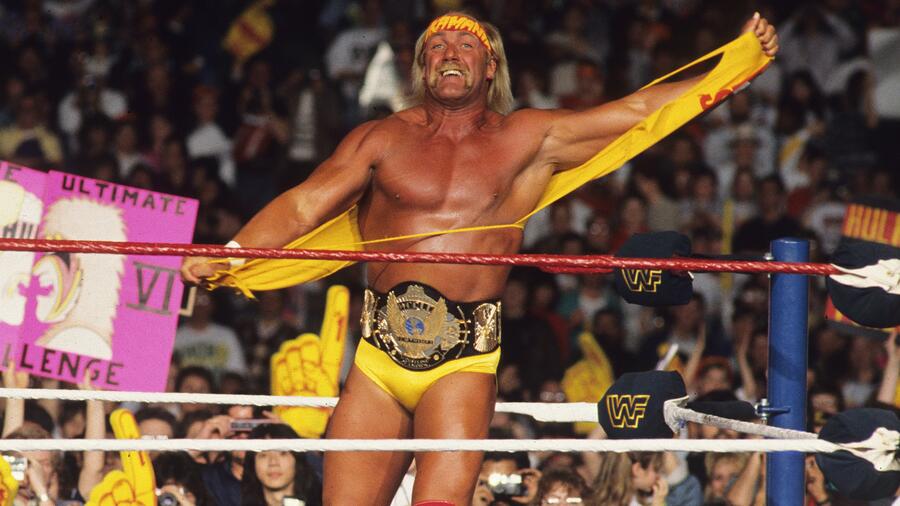
From household hero to controversial figure, Hogan’s story is one of unmatched influence—and undeniable complexity.
A Legend Has Fallen
Terry Gene Bollea—better known to the world as Hulk Hogan—has died at the age of 71.
The WWE Hall of Famer and cultural phenomenon passed away early Thursday morning, July 24, 2025, at his home in Clearwater, Florida. According to reports, Hogan suffered cardiac arrest. Emergency services responded at 9:51 AM, but he was pronounced dead shortly after at Morton Plant Hospital. The wrestling world and pop culture community have since erupted in tribute—and reflection.
The Man Who Made Wrestling Global
It’s impossible to tell the story of modern professional wrestling without Hulk Hogan.
He wasn’t the first star—but he was the first true crossover superstar. In the 1980s, as the WWF (now WWE) transitioned from regional spectacle to global entertainment brand, Hogan stood at the center of the ring, flexing, posing, and preaching about vitamins and prayers to millions of kids who saw him as a real-life superhero.
- Eight WrestleMania main events.
- Six WWE Championships.
- Two-time Royal Rumble winner.
- The most-watched wrestling match in U.S. television history (33 million viewers vs. André the Giant).
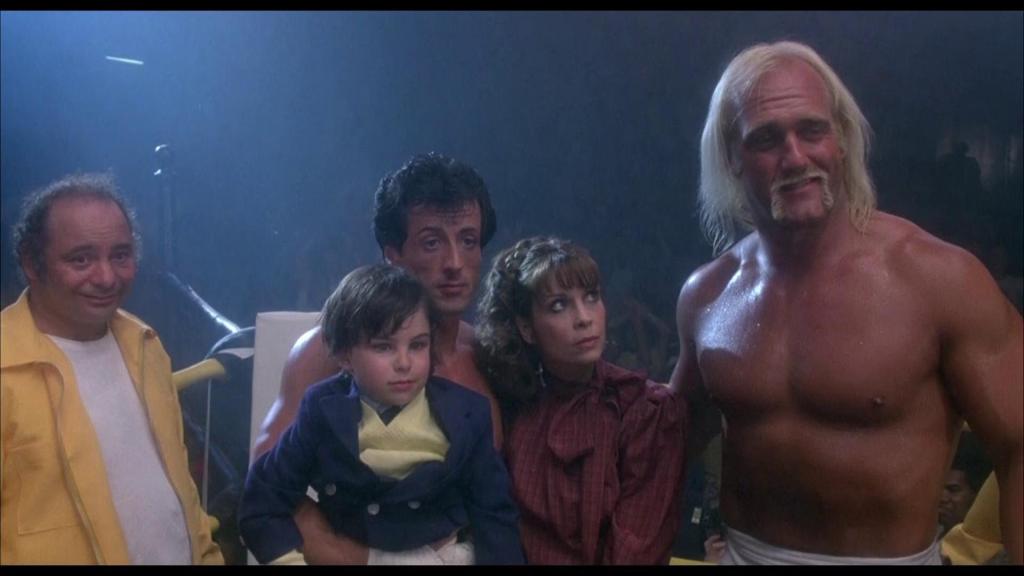
He even broke into Hollywood, co-starring in Rocky III and leading the family reality series Hogan Knows Best. Whether in the ring, on screen, or in the toy aisle, Hulk Hogan was everywhere. For a time, he was America’s champion—a symbol of larger-than-life hope and strength.
A Reinvention That Changed the Game
By the mid-90s, Hogan’s heroic act was wearing thin. Then came his greatest reinvention.
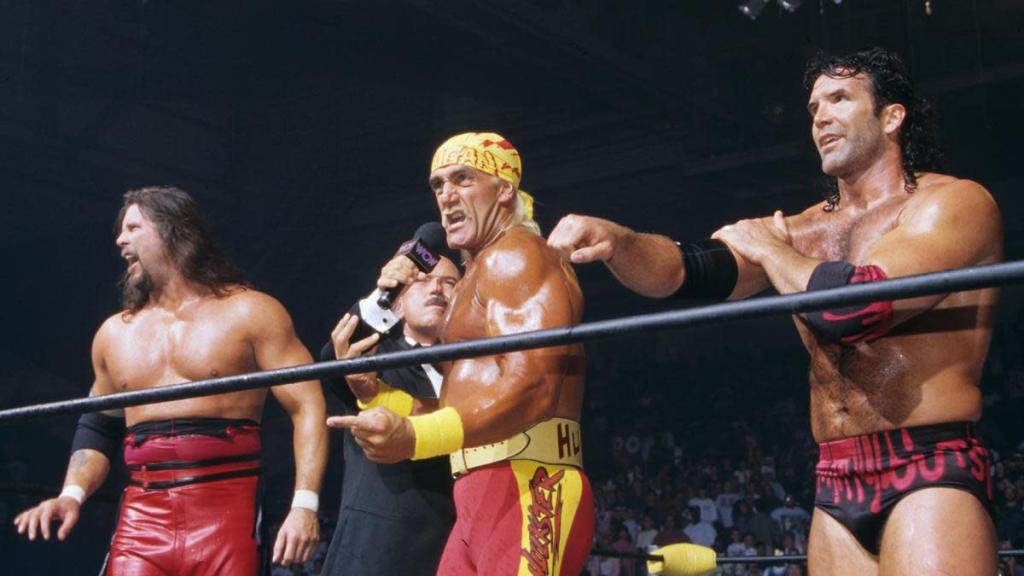
In 1996, during his time with WCW, Hogan shocked the wrestling world by turning heel—embracing his inner villain as “Hollywood Hogan” and forming the New World Order (nWo). The move not only extended his career but redefined what a wrestling character could be: complex, self-aware, and culturally in tune with the antihero era.
This turn was electric. WCW soared in ratings. Wrestling became appointment television again, and Hogan proved that he wasn’t just a product of the ’80s—he was still driving the industry forward.
The Fall from Grace
But the same fame that made him a legend also set the stage for a highly public downfall.
In 2015, a leaked tape revealed Hogan using racist slurs during a private conversation. The backlash was swift: WWE terminated his contract, removed him from their Hall of Fame, and distanced themselves from their once-prized icon.
It wasn’t the only scandal. That same year, he sued Gawker for publishing a sex tape involving him and a friend’s wife—an explosive trial that blurred the lines between personal privacy and public persona. Though he won a $140 million judgment (which later led to Gawker’s bankruptcy), the damage to his reputation was deep and lasting.
Many fans felt betrayed. For years, the image of Hulk Hogan as a wholesome, all-American hero stood in stark contrast to the personal behaviour of Terry Bollea, the man behind the moustache.
Even after being reinstated into the WWE Hall of Fame in 2018 and making sporadic appearances for the company, the damage was never fully repaired. Hogan was no longer universally beloved. His attempts at redemption were met with mixed reactions—some cheers, but just as often, boos.
In fact, during his final major WWE appearance in early 2025, Hogan was visibly booed by sections of the crowd, a moment that stunned longtime fans and symbolised how much the tide had turned. Once the loudest pop in the arena, he was now a polarising figure—even to the audience that once idolised him.
For many, the gap between Hulk Hogan the superhero and Terry Bollea the man had become too wide to ignore.
Complicated Legacy
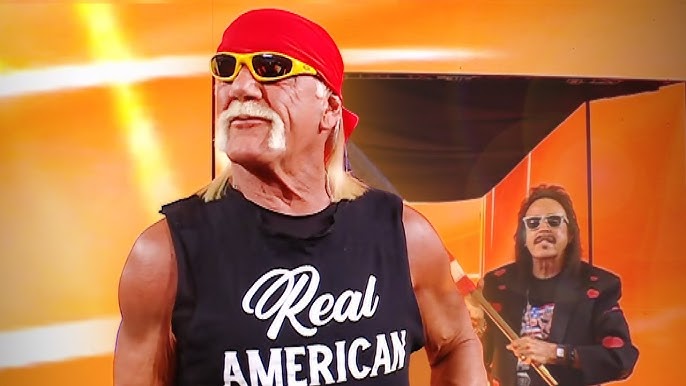
There’s no way around it: Hulk Hogan’s legacy is deeply complicated.
On one hand, he is the reason professional wrestling became a global force. His voice, theme music, and charisma defined an entire era of sports entertainment. His influence is etched into everything from WrestleMania to action figures to the way modern wrestlers present themselves.
On the other, his controversies can’t be ignored. Even after his reinstatement into WWE’s Hall of Fame in 2018, many fans remained divided. Some accepted his apologies and saw his efforts to make amends; others felt the damage was irreparable.
Outpouring of Tributes
In the hours following the announcement of Hulk Hogan’s death, tributes flooded in from across the wrestling industry, the entertainment world, and beyond, marking the end of an era that began in red and yellow and ended in reflection and reckoning.
The Final Bell
Hulk Hogan’s life was never simple. He was a hero to millions, a symbol of strength, and an architect of wrestling’s global explosion. He was also a cautionary tale about fame, ego, and the very human flaws that even icons cannot escape.
In death, as in life, he remains impossible to ignore—a larger-than-life figure who changed wrestling forever, for better and for worse.
In the end, Hulk Hogan’s passing united the wrestling world, if only briefly, in recognition of his towering influence. Love him or resent him, few left the business with such an undeniable footprint.
Whether you remember the leg drop heard around the world, the nWo’s black-and-white chaos, or the headlines that followed him outside the ring, one thing is certain:
No one ever loomed as large over professional wrestling as Hulk Hogan.
 Mission Podcast
Leave a comment