
Soaring to New Heights: How the Live-Action HOW TO TRAIN YOUR DRAGON Surpassed the Original
By CARPE
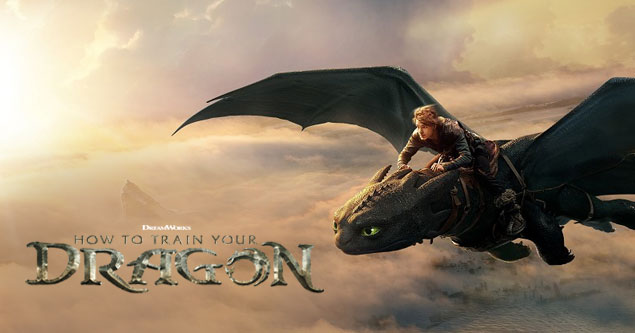
A Daring Reimagining that Pays Off
DreamWorks has done what so many studios attempt but rarely accomplish—they’ve taken a beloved animated classic and reimagined it in live action with grace, respect, and bold vision. The 2010 How to Train Your Dragon film was already considered a modern animated masterpiece, filled with heart, adventure, and ground-breaking animation. But instead of simply copying and pasting the original frame by frame—as many remakes do—DreamWorks approached this adaptation with a deep understanding of what made the original soar and expanded upon it.
The result is a film that doesn’t feel like a re-tread, but a rediscovery. Character arcs have been slightly deepened, emotional beats more subtly drawn, and the themes of courage, empathy, and belonging resonate even more in this grounded, tactile world. It’s a cinematic reimagining that dares to be its own thing while still embracing the soul of its predecessor. At a time when Disney’s live-action remakes often feel like expensive but empty exercises in nostalgia, DreamWorks has delivered something different—something alive.
Visuals That Take Flight
From the very first frame, the live-action How to Train Your Dragon commands attention. The windswept cliffs of Berk, the crashing waves, and the swirling skies are all rendered in such immersive beauty that it feels like you’re truly stepping into this Viking world. Every detail has been lovingly crafted, from the weathered wood of dragon traps to the smoky tendrils that follow a dragon’s flame. The production design grounds the fantasy in a gritty realism that still allows room for awe and wonder.
And then there are the dragons. Rather than leaning too heavily on realism or cartoonish exaggeration, the creature design hits a perfect middle ground. Toothless, in particular, remains the heart of the visual storytelling. He’s expressive, soulful, and astonishingly lifelike—his eyes alone convey more emotion than many human characters in lesser films. The animation team has managed to retain all the charm and nuance of the original Toothless while enhancing his presence for the big screen. The flight scenes are sweeping, kinetic, and visceral. You don’t just see the world—they let you feel it.
The Test Drive Scene – A Moment of Pure Cinema
If there’s one scene that encapsulates the brilliance of both the animated and live-action versions, it’s the legendary “Test Drive.” In the original, this was the moment where Hiccup and Toothless achieve unspoken synchronicity, soaring through the skies in a ballet of trust, fear, and exhilaration. The live-action film manages the near-impossible task of recapturing that magic—and somehow deepens it.
Shot with sweeping, dynamic cinematography, the scene blends physical stunt work, seamless visual effects, and an emotional undercurrent that transcends words. As Hiccup adjusts the tail fin and Toothless tilts into a dive, the audience is pulled right into the experience—not just watching a boy fly a dragon, but feeling the risk, the wind, and the thrill of freedom. It’s a masterstroke in visual storytelling, perfectly paced and emotionally resonant. There’s a weight to every movement, a palpable sense of danger and exhilaration that only live-action can provide.
It’s the kind of sequence that makes audiences hold their breath—and then releases it in a flood of joy.
An Enchanting Score
Of course, none of this would land with the same emotional impact without John Powell’s magnificent score. Returning to rework his original compositions for the new film, Powell elevates an already iconic musical landscape into something richer and more textured. The familiar themes—the rising horns of “Test Drive,” the swelling strings of “Forbidden Friendship”—are still there, but they’ve been orchestrated to match the grand scale of the live-action world.
New instrumental nuances, deeper choral elements, and more grounded percussion give the score a cinematic weight that perfectly complements the more tactile setting. It never overwhelms the visuals, but instead lifts them higher—adding emotional depth, momentum, and magic. Few scores in recent film history have been as memorable or effective, and Powell’s work here reminds us that music is just as vital to storytelling as dialogue or imagery.
DreamWorks Raises the Bar for Live-Action Adaptations
While Disney continues to churn out live-action remakes that often feel visually flashy but emotionally hollow, DreamWorks has quietly delivered a film that sets a new standard. How to Train Your Dragon (2025) proves that live-action adaptations don’t have to be soulless nostalgia bait—they can be meaningful reinterpretations. The casting is inspired, with performances that feel lived-in and sincere. Hiccup’s journey from awkward outsider to unlikely hero is portrayed with subtle emotional intelligence, while the supporting characters (Astrid, Stoick, Gobber) all shine with new dimensions.
Director Dean DeBlois, returning to helm this adaptation, brings the same heart and clarity he did to the original trilogy but adds a maturity and scope that only live-action can offer. His vision for the world of Berk feels cohesive, richly imagined, and deeply immersive. There’s a confidence in the storytelling—a refusal to rush, a willingness to let quiet moments linger—that gives the film a soul.
More than just a remake, this is a reinvigoration of the material. DreamWorks has shown what can happen when a studio believes in the story it’s telling—not just as intellectual property, but as art.
Final Thoughts: A Fire-Breathing Triumph
The live-action How to Train Your Dragon is more than just a successful remake—it’s an artistic achievement. It understands the responsibility of adapting something beloved and rises to the challenge with creativity, reverence, and boldness. From its visual splendour to its emotional core, from the unforgettable music to the show-stopping flying scenes, it is a reminder of what cinema can be when imagination meets intention.
DreamWorks has not only honoured their legacy—they’ve redefined it. And in doing so, they’ve issued a quiet challenge to the rest of Hollywood: if you’re going to remake something, make it soar.



 Mission Podcast
Leave a comment