
“Man of Steel”: The Most Underrated Superhero Film of the Modern Era
By CARPE
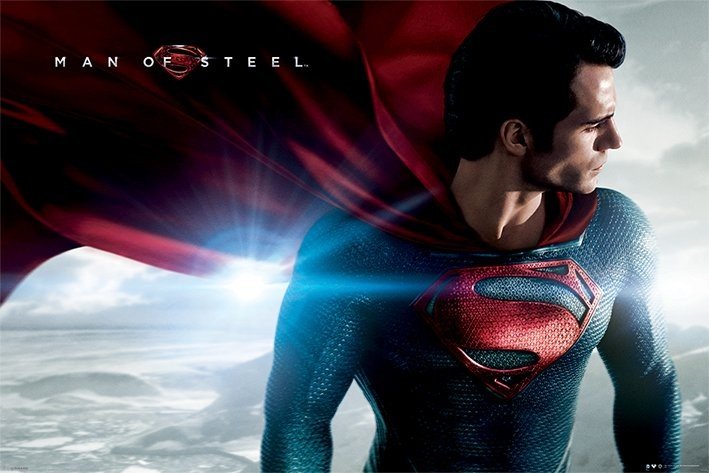
As anticipation builds for James Gunn’s upcoming Superman film, it’s the perfect moment to revisit Man of Steel (2013), the film that launched the modern DC cinematic universe. Directed by Zack Snyder and starring Henry Cavill as the iconic hero, Man of Steel offered a darker, more grounded take on Superman’s origin story—one that explored themes of identity, sacrifice, and hope in a world uncertain of its heroes. With its bold visual style, emotionally charged performances, and polarising tone, Man of Steel redefined Superman for a new generation. As Gunn prepares to reintroduce the Man of Tomorrow, Snyder’s film remains a crucial touchstone in the character’s cinematic legacy.
A Grounded Take on a Mythical Icon
When Man of Steel premiered in 2013, it was met with a wave of divided reactions. Some hailed it as a bold reimagining of Superman; others criticised its tone and departure from the bright optimism traditionally associated with the character. But over a decade later, one thing is increasingly clear: Man of Steel was ahead of its time. Rather than offering a fantastical ideal, the film asked a daring question—how would our world truly react to the arrival of a god-like being?
This film grounded Superman in a reality not unlike our own. Governments grew suspicious. The public was divided. People feared what they didn’t understand. That realism brought weight and depth to the story, asking the viewer to seriously consider what it would mean for a superpowered alien to walk among us. It wasn’t just science fiction—it was socio-political commentary, layered with global consequences and moral dilemmas.
Michael Shannon’s General Zod: A Villain with Purpose
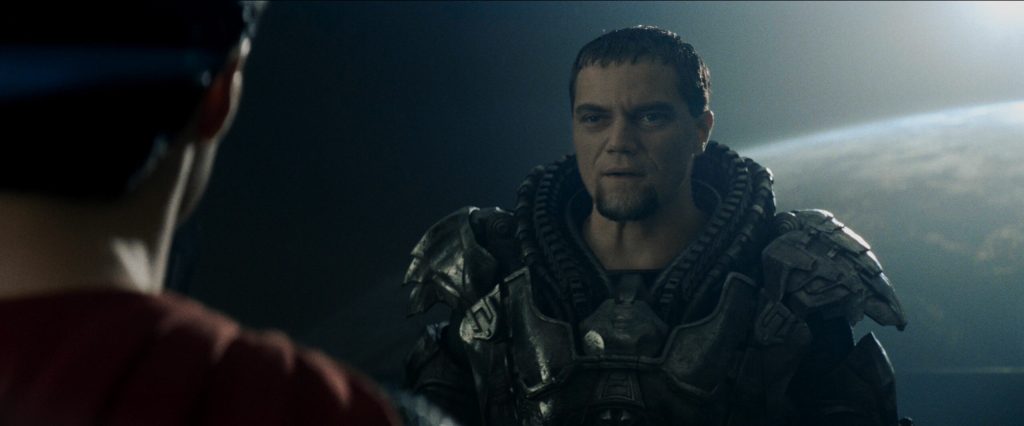
Michael Shannon delivered one of the most intense and emotionally resonant villain performances in superhero cinema as General Zod. Unlike typical one-note antagonists, Zod wasn’t evil for the sake of it. He was a military leader bred to protect Krypton at any cost, and once his world was gone, he viewed the destruction of Earth as the only way to fulfill his genetic purpose. Shannon portrayed this desperation with terrifying conviction.
Zod’s motivations were tragic, his actions horrific—but in his own mind, they were justified. Shannon brought a Shakespearean weight to the role, making Zod not just a villain, but a fallen hero of a lost world. His final showdown with Superman was not only a battle of strength but of ideologies, ending in a gut-wrenching moment that continues to fuel debate.
Jonathan Kent: A Controversial Yet Powerful Father Figure
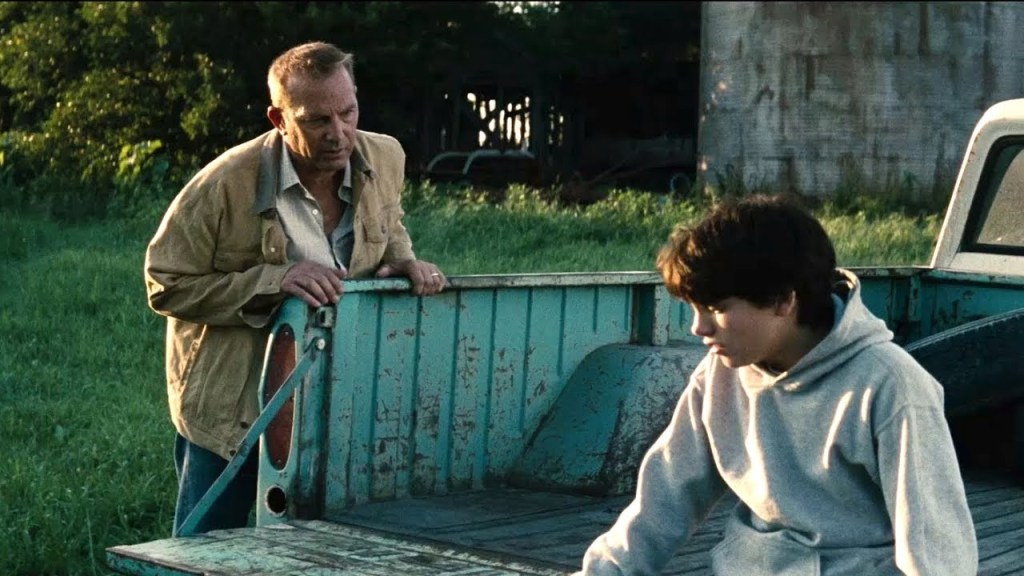
One of the most debated elements of Man of Steel is the portrayal of Jonathan Kent, played with quiet gravitas and emotional depth by Kevin Costner. This version of Pa Kent diverges from the traditional, idealised moral compass. Instead, he is a deeply human, conflicted father—cautious, protective, and shaped by the fear of what the world might do to someone like Clark. His parenting isn’t marked by clear-cut answers, but by the anguished burden of raising a child he knows the world may never accept.
In one pivotal scene, after Clark saves a school bus full of his classmates, he asks, “What was I supposed to do? Just let them die?” Jonathan pauses, his voice heavy with uncertainty: “Maybe… I don’t know.” It’s not a dismissal of morality, but a painfully honest admission of the impossible choices they face. Later, he affirms Clark’s identity with profound emotion: “You’re the answer, son. You’re the answer to ‘Are we alone in the universe?’” When Clark responds, “Can’t I just keep pretending I’m your son?” Jonathan replies, “You are my son.” Costner delivers these lines with a restrained intensity that makes the character feel achingly real—a father torn between love and fear.
Jonathan isn’t cold. He’s terrified. He knows the world will see Clark not as a boy, but as a threat. “People are afraid of what they don’t understand,” he tells Clark. And he’s right. Every decision Jonathan makes—however controversial—is out of desperate love. He’s trying to delay the inevitable moment when the world finds out who Clark really is.
In one of the film’s most emotional scenes, Jonathan sacrifices himself in a tornado, holding up his hand to stop Clark from saving him. It’s not because he doesn’t want to live—it’s because he’s not ready for his son to be exposed. His death is not an act of stubbornness—it’s an act of protection. And that moment haunts Clark throughout the film, shaping the man he will become and it leaves a lasting imprint on Clark’s understanding of responsibility, restraint, and the weight of his identity.. “You have to decide what kind of man you want to grow up to be, Clark. Whoever that man is, he’s going to change the world.” It’s a moment that defines Jonathan’s role—not to dictate morality, but to guide Clark toward self-discovery and agency. Jonathan’s parenting shaped Clark profoundly. He didn’t teach him to hide out of shame, but out of a desire to protect both him and the world.
Costner’s performance is quietly heartbreaking, anchoring the film’s grandiose mythology in something deeply personal. Jonathan Kent may not have all the answers, but his love, fear, and ultimate sacrifice helped shape the Superman Clark would become.
Clark Kent: The Alien Who Just Wants to Belong
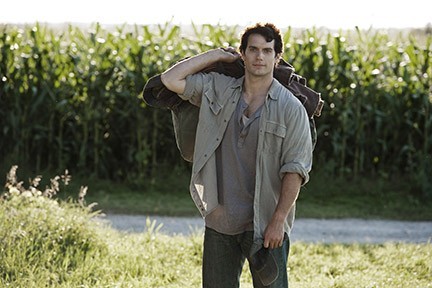
Man of Steel gives us the most emotionally complex version of Superman ever put to screen. Clark isn’t the confident hero from the start—he’s a wanderer, a loner, searching for identity and purpose. Raised in secrecy, taught to hide his powers, Clark lives with constant emotional conflict. He’s a man who can hear every scream on Earth but can’t decide if he has the right to intervene.
“I’m not sure the world is ready,” he tells Lois. His powers are awe-inspiring, but his journey is painfully human. He works dead-end jobs under false names, drifts from town to town, saves people in secret, and fears what his existence means. This isn’t just a story of Superman—it’s the story of someone who never felt like he belonged, trying to figure out who he really is.
By the time he finally dons the suit, it’s not just a costume—it’s a declaration of identity. He’s not choosing to be a god. He’s choosing to be good, even if the world doesn’t understand it yet. And in doing so, Man of Steel made audiences see Superman in a new light—not as a flawless, overpowered symbol, but as a deeply human character struggling with the same need for acceptance and purpose as the rest of us. For many, it was the first time Superman felt truly relatable—less of a distant ideal and more of a man trying to find where he belongs.
The Soul of the Film: Hans Zimmer’s Monumental Score
No analysis of Man of Steel is complete without recognising Hans Zimmer’s emotionally rich and thunderously epic score. Rather than imitating John Williams’ iconic theme, Zimmer composed something entirely new—something that mirrors Clark’s inner struggle and evolution.
The standout piece, “An Ideal of Hope,” slowly builds from a single piano note into a soaring crescendo of drums and strings. It’s not triumphant from the start—it grows, just like Clark does. The main theme isn’t about invincibility. It’s about becoming. The subtle use of choral vocals, echoing Krypton’s lost grandeur, and the explosive percussion during action scenes, give the film a mythic yet personal weight.
Zimmer’s score doesn’t just accompany the visuals—it amplifies them. It’s what makes scenes like the first flight so transcendent. It gives voice to Superman’s silent turmoil. It turns spectacle into emotion. Few superhero scores are as thematically intertwined with the character as this one.
A Controversial Tone That Elevated the Myth
Much of the backlash to Man of Steel stemmed from its darker, more serious tone. Critics argued it betrayed the lighthearted spirit of Superman. But that critique often misses the point. Snyder wasn’t mocking hope—he was testing it. In a world full of suspicion and destruction, hope doesn’t come easy. It has to be earned.
The destruction of Metropolis wasn’t just for spectacle—it showed that power without control has consequences. The final fight with Zod wasn’t just action—it was Clark’s trial by fire, the moment he was forced to make a devastating choice. The darker tone wasn’t about cynicism. It was about building a believable foundation, so that when Superman eventually does become that beacon of hope, it means something.
“Welcome to the Planet”: The Perfect Ending with a Double Meaning
The final scene of Man of Steel is deceptively simple—Clark joins the Daily Planet and meets Lois Lane in his classic disguise. She smiles and says, “Welcome to the Planet.” On the surface, it’s a cute reference to his new job. But on a deeper level, it’s a beautiful metaphor.
Lois knows who he is. The world now knows he exists. For the first time in his life, Clark is no longer hiding. “Welcome to the Planet” isn’t just a workplace greeting—it’s an acknowledgment of his arrival as Superman, not just to Metropolis, but to Earth itself. It’s his rebirth. He’s no longer drifting. He’s home.
This one line captures the film’s entire arc. From alien to citizen. From outsider to symbol. From uncertainty to hope.
Conclusion: A Vision Worth Revisiting
Man of Steel may have been misunderstood at release, but time has been kind to it. It’s not just a superhero film—it’s a thoughtful meditation on identity, sacrifice, and what it means to be good in a complicated world. With Michael Shannon’s tragic villainy, Kevin Costner’s emotional gravitas, Henry Cavill’s quiet strength, Hans Zimmer’s unforgettable score, and a powerful script full of symbolism and weight, the film dared to be different.
And in doing so, it gave us a Superman who doesn’t just fly—but feels.
 Mission Podcast
Leave a comment