
Jeremie Frimpong to Liverpool: A Risky Replacement or Tactical Masterstroke?
By DK01__
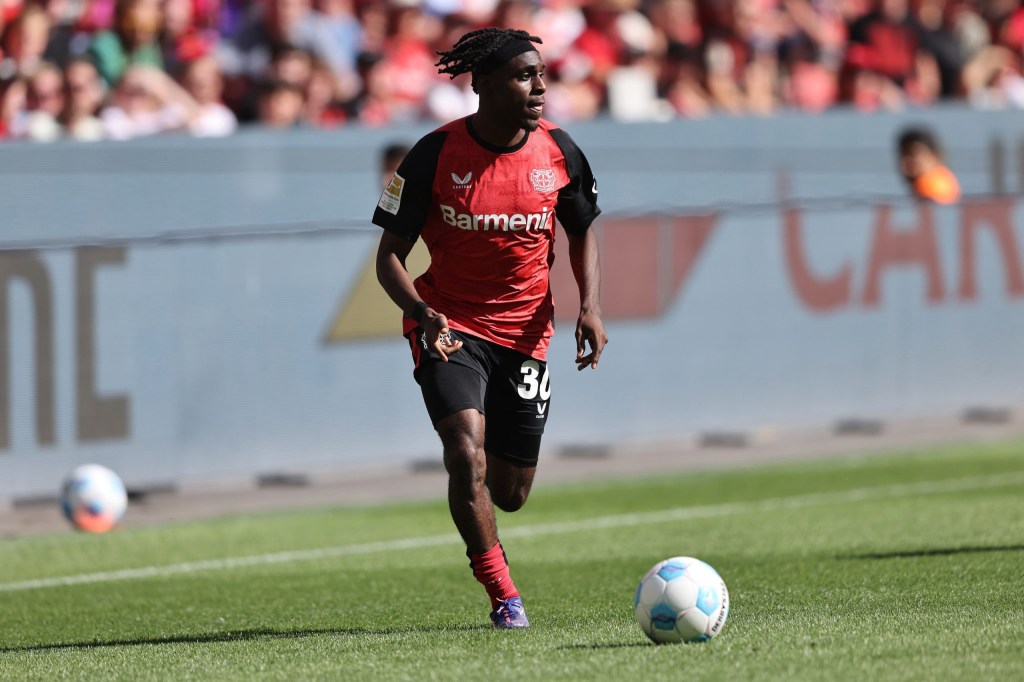
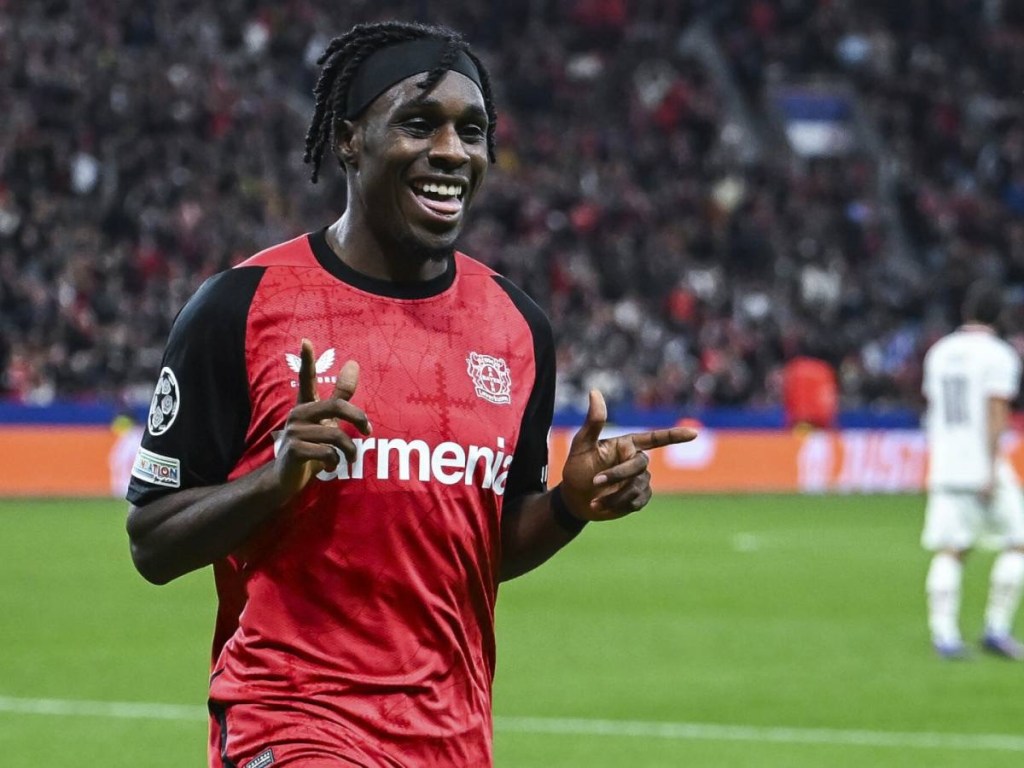
It’s not often that Liverpool find themselves tasked with replacing a generational right-back, but with Trent Alexander-Arnold making a move to Real Madrid, Arne Slot and the club’s recruitment staff are wasting no time in identifying their next big piece — and all roads seem to be leading to Jeremie Frimpong.
The 24-year-old Dutchman is reportedly keen on a move to Anfield. Talks are advancing, with Liverpool exploring the structure of his €35 million release clause. But make no mistake — this isn’t a like-for-like replacement. Frimpong isn’t the next Trent, he’s something entirely different, and perhaps that’s exactly what this next Liverpool era demands.
Is he what Liverpool need?
If you’re looking at raw numbers, Frimpong’s attacking output is already eye-catching. In 190 games for Leverkusen, he’s produced 30 goals and 44 assists — a goal contribution every 0.47 per 90 minutes. That’s comfortably higher than Alexander-Arnold’s 0.37 per 90, despite the latter being heralded as one of the most creative full-backs of his generation.
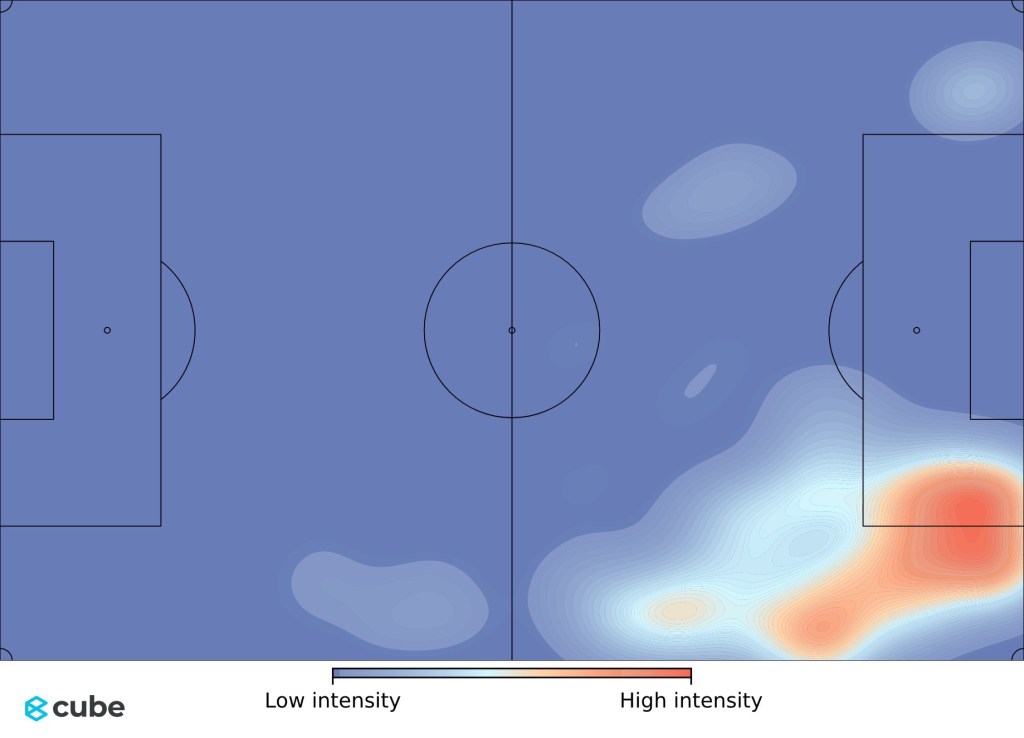
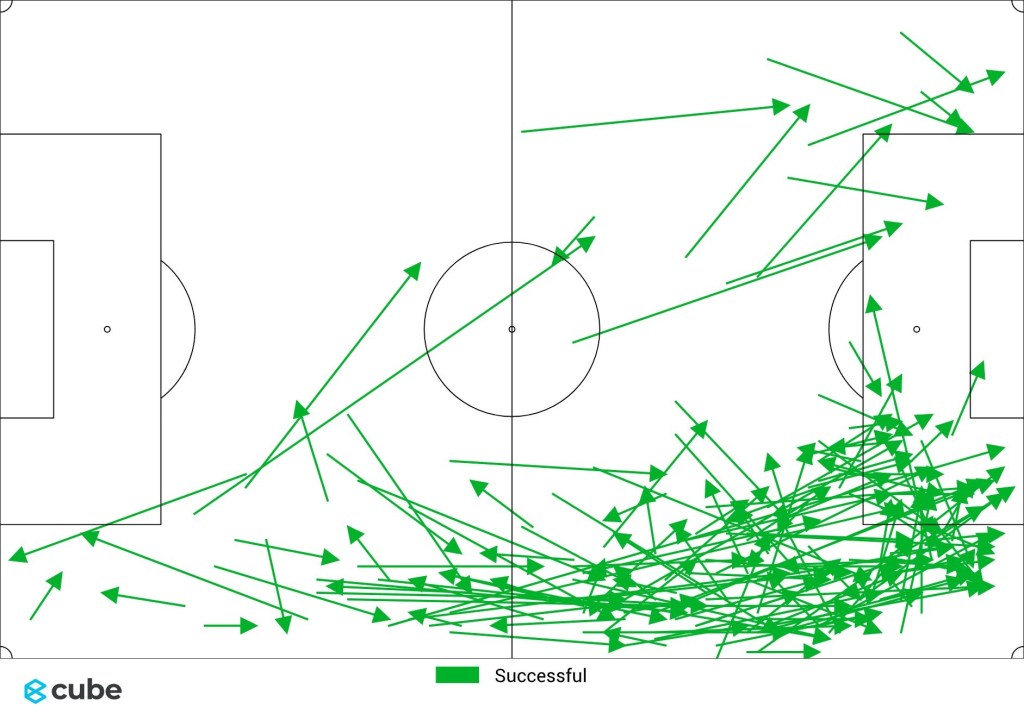
But while Alexander-Arnold dissected defences with a wand of a right foot and full-field switches from deep, Frimpong carves through them. His heat-map from this season reveals an attacker masquerading as a wing-back: high and wide in the right half-space, repeatedly arriving in the box to join the front line. His expected threat (xT) metrics confirm that he creates danger in concentrated bursts — think overlapping sprints, quick exchanges, and cut-backs from the byline.
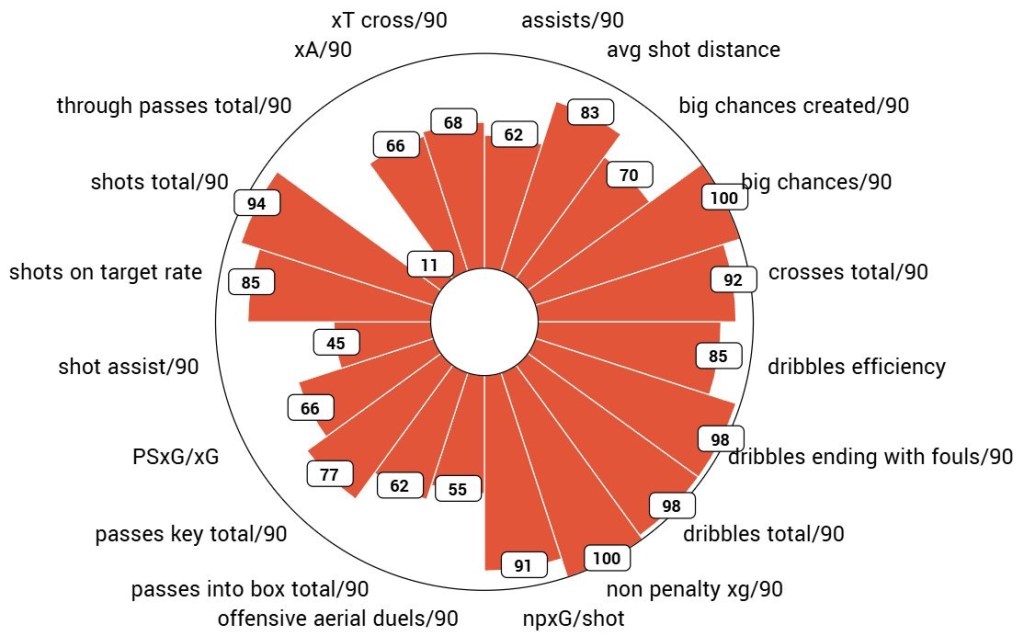
Frimpong ranks in the 90th percentile or above for crosses per 90 (4.79), dribbles per 90 (3.78), and progressive carries in the Bundesliga. He’s in the 98th percentile for dribble success — a terrifying asset for a team that thrives on isolating full-backs and creating space for inside forwards like Mohamed Salah.
System Shock: From Alonso’s 3-4-2-1 to Slot’s 4-2-3-1
The biggest tactical question doesn’t concern Frimpong’s talent — it’s how his skillset translates into Liverpool’s system.
At Leverkusen, Frimpong played predominantly as a right wing-back in a fluid 3-4-2-1 system. With Edmond Tapsoba and Jonathan Tah covering in a back three, Frimpong was given space to push forward, rarely tasked with one-on-one defending or deep third build-up responsibilities. His role was all-action, high up the pitch, and based on chaos creation rather than orchestration.
Slot, however, has operated exclusively with a back four — 4-2-3-1 being his go-to shape. That raises immediate structural concerns. Slot would need to either:
- Rebuild Liverpool’s backline into a three-at-the-back system (a major overhaul),
- Use Frimpong as an orthodox right-back and curb his attacking instincts, or
- Find a hybrid role that balances both — perhaps using an inverted left-back (like Robertson or Kerkez) to protect Frimpong’s freedom.
But with only four natural centre-backs currently at the club, shifting to a back three seems unlikely unless major recruitment follows. It’s more realistic that Frimpong would play in a high-and-wide right-back role, like how Ben White has been used at Arsenal — a constant outlet, tasked with maintaining width and allowing an inverted midfielder (like Szoboszlai or even Salah himself) to exploit the inner channel.
Not Just a Trent Replacement — A Salah Contingency Too?
One aspect being overlooked is Frimpong’s potential as a rotational option further upfield. With Mohamed Salah turning 33 in June and set to miss games due to AFCON commitments, Liverpool face the very real challenge of finding cover for their Egyptian.
Frimpong, who has played as a right winger and even right forward in Leverkusen’s front line, could offer tactical flexibility — operating as a wide threat in Salah’s absence while still providing thrust and unpredictability.
He’s not as polished a finisher or creator, but he could offer verticality and chaos against low blocks or in transition-heavy matches. Think of him as an emergency right-forward rather than a regular rotation option — but even that versatility is worth its weight in gold across a 50+ game season.
The Defensive Dilemma: Size, Structure, and Press Resistance
Of course, there are limitations.
Frimpong is just 5’7″, and defensively, that’s a problem — particularly at the back post. He can be targeted aerially and lacks the physical presence to dominate duels. Teams like Newcastle or Brentford, who love to isolate full-backs and swing in crosses, could easily exploit this weakness.
There’s also the matter of Liverpool’s build-up play. With Frimpong, Robertson/Kerkez, and even Conor Bradley all being carry-first full-backs, you now have a back four where only Virgil van Dijk and Alexis Mac Allister are consistent line-breaking passers. Against elite high-pressing sides, that could make Liverpool’s progression through the thirds look clunky and predictable.
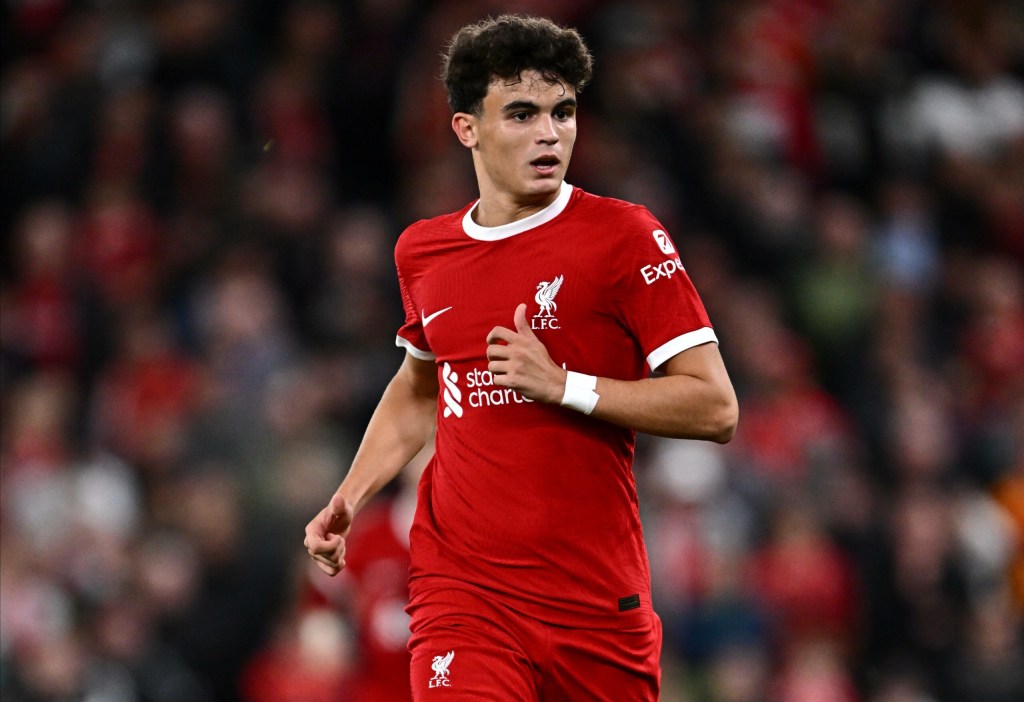
Slot may need to address this by pairing Mac Allister with a more incisive passer — perhaps bringing in Stefan Bajcetic or a new midfielder into the fold to ensure Liverpool don’t become overly reliant on long switches or solo runs to escape pressure.
A Calculated Risk Worth Taking
On the surface, replacing a local lad like Alexander-Arnold — one of the most iconic full-backs in modern football — with a 24-year-old attacking wing-back from Germany may feel like a roll of the dice. But that’s only if you expect Frimpong to be Trent. He’s not. He’s a different profile altogether.
What Frimpong offers is pace, penetration, and vertical chaos — the ability to hurt teams from deep, wide, and in behind. He’s not a metronome. He’s a firecracker. And with Salah ageing, Liverpool may need exactly that kind of unpredictability to evolve.
Slot’s challenge will be finding a balance between Frimpong’s strengths and Liverpool’s tactical identity. It won’t be seamless. But if the club can structure the system to unleash Frimpong while shoring up its weaknesses elsewhere, the Dutchman could become a cornerstone of the next great Liverpool side.





 Mission Podcast
Leave a comment