
Dreams Within Dreams: Celebrating 15 Years of Nolan’s Groundbreaking ‘Inception’
By CARPE
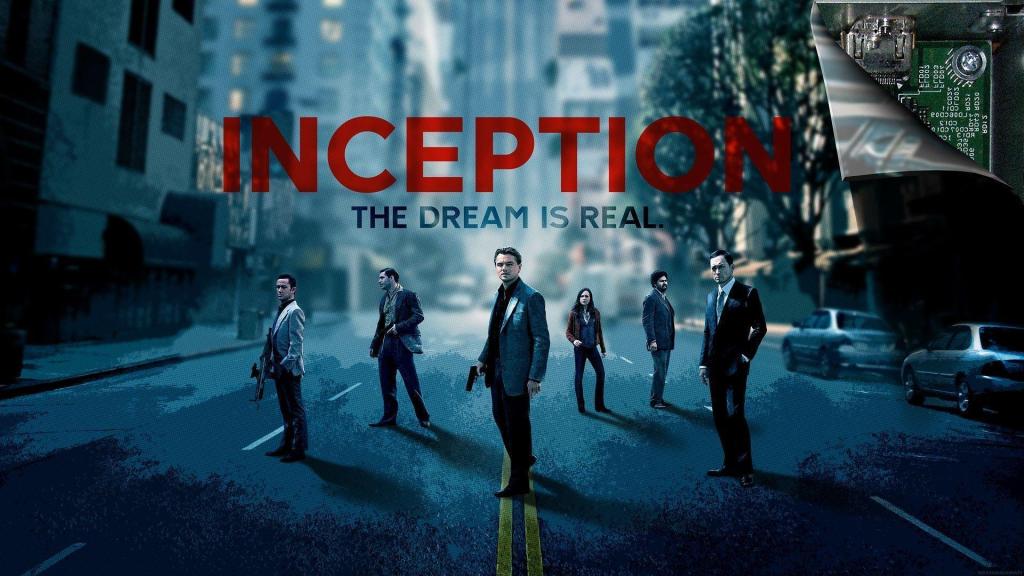
Inception Redefined Blockbusters, Elevated Sci-Fi, and Cemented Nolan’s Place in Cinema History
A Cinematic Puzzle Box: 15 Years Later
15 years ago, Christopher Nolan released Inception — a cerebral, visually audacious, and narratively daring heist film that became a cultural phenomenon. Premiering on July 16, 2010, it fused blockbuster spectacle with intellectual ambition, earning over $800 million at the box office and capturing the imagination of audiences worldwide. Today, it stands as one of the most iconic and influential films of the 21st century, a benchmark for what modern science fiction — and modern filmmaking — could aspire to be.
The Architect of Dreams: Nolan’s Vision and Direction
Christopher Nolan was already an acclaimed filmmaker by the time Inception debuted, but this was the project that firmly established him as a master of large-scale, idea-driven cinema. Not content to follow the familiar tropes of Hollywood action or traditional sci-fi, Nolan crafted a film that explored the nature of reality, the fragility of memory, and the ethics of manipulation — all under the guise of a sleek, thrilling heist story.
Nolan’s direction is marked by precision and control. From the film’s opening moments — with its disorienting shifts between dreams and reality — he demands audience attention and rewards it with layers of complexity. The visual language of Inception, its recursive dreamscapes and time-bending mechanics, are handled with confidence. It’s a movie that dares you to keep up — and makes you want to.
A Dream Team: The Stellar Cast and Performances
At the heart of Inception is Leonardo DiCaprio, playing Dom Cobb, a skilled extractor tormented by the death of his wife and the separation from his children. DiCaprio’s performance grounds the film’s high-concept premise with emotional weight and psychological nuance. Cobb isn’t just trying to pull off a job — he’s trying to reconcile with his grief and guilt.
He’s supported by a remarkable ensemble: Joseph Gordon-Levitt as the unflappable Arthur, Ellen Page (now Elliot Page) as the brilliant architect Ariadne, Tom Hardy in a breakout performance as the charismatic forger Eames, and Ken Watanabe as the powerful and enigmatic Saito. Marion Cotillard is unforgettable as Mal, Cobb’s projection of his dead wife, both a haunting presence and a tragic figure. The chemistry and charisma of the cast bring warmth and humanity to a film that could have easily become cold or overly cerebral.
The Sound of the Subconscious: Hans Zimmer’s Legendary Score
Few film scores in recent memory have had the cultural and sonic impact of Hans Zimmer’s work on Inception. Zimmer’s score is a richly textured, emotionally resonant accompaniment to Nolan’s vision.
Tracks like “Time” elevate the film’s emotional stakes and bring catharsis in its final moments. Zimmer’s music is a stroke of compositional genius. The score doesn’t just support the story; it helps tell it.
A Blockbuster That Dared to Be Smart
Inception arrived during a summer dominated by sequels and franchises — yet it was an original, high-concept blockbuster that trusted its audience to think. It combined the thrills of The Matrix with the intricacy of a noir thriller, offering both popcorn entertainment and philosophical inquiry. That’s a rare alchemy.
Its commercial success proved that audiences were hungry for more than just explosions and CGI. Inception became a cultural touchstone: quoted, parodied, analysed, and debated. It was an event film — and one of the last major blockbusters to be driven by original ideas rather than IP.
Ageing Like a Fine Dream
So how does Inception hold up 15 years later? In a word: brilliantly. Its visual effects, largely practical and meticulously staged, remain stunning. The hallway fight scene, the folding city, and the zero-gravity sequences are still jaw-dropping — and far more effective than the CGI-heavy spectacles of many more recent blockbusters.
More importantly, its themes — guilt, loss, reality versus illusion — continue to resonate. In a world increasingly mediated by technology, social media, and virtual reality, Nolan’s dreamscapes feel even more relevant. The emotional core of the story, anchored by Cobb’s internal conflict, gives it a timeless quality that transcends genre.
A Legacy Etched in the Mind
Inception’s influence is everywhere — from filmmaking techniques and trailer music to narrative ambition in popular media. Shows like Westworld, films like Doctor Strange, Tenet, and even Everything Everywhere All at Once owe a debt to its fearless structure and genre-bending ambition.
It also sparked a renewed confidence in intelligent genre filmmaking. Nolan proved that blockbuster films didn’t have to be dumbed down to succeed. He opened doors for a generation of filmmakers to embrace complexity, to challenge their audiences, and to dream a little bigger.
The Top Still Spins
The final image of Inception — a spinning top, wobbling but never falling — remains one of the most iconic endings in film history. It invites interpretation, sparks debate, and perfectly encapsulates the film’s core question: What is reality?
Fifteen years later, we’re still asking. Still debating. Still dreaming.
And that, perhaps, is the greatest legacy of Inception.
 Mission Podcast
Leave a comment