
Redemption in Bilbao
By DK01__

When the full-time whistle blows at San Mamés on Wednesday night, either Manchester United or Tottenham Hotspur will walk away with more than just silverware, a place in the Champions League, a flicker of hope at the end of a catastrophic Premier League campaign. And for two embattled managers, a potential turning point—or a final blow.
Never has a European final been contested by two clubs arriving with such battered reputations and battered records in their domestic campaigns. Manchester United, a club with 20 league titles and three European Cups to their name, have plummeted to historic lows this season. Under Ruben Amorim, the team has suffered more defeats than in any other Premier League campaign, scoring fewer goals than even the dire 2015–16 season, and failing to win back-to-back league games for the first time in the Premier League era. At times, their football has bordered on unwatchable.
Tottenham Hotspur haven’t fared much better. Ange Postecoglou’s second season—so often the platform for silverware in his managerial career—has instead been defined by a brutal collapse in domestic form. Spurs have lost 21 league matches, conceding goals at an alarming rate and struggling to maintain any sort of cohesion across their lines. What began as a bold attempt to implement a free-flowing, high-possession philosophy gradually gave way to defensive disarray and attacking inconsistency. Injuries to key creative players—James Maddison, Dejan Kulusevski, and Timo Werner—haven’t helped, but the systemic issues have run deeper.
United have been a different animal in the Europa League. Unbeaten throughout the campaign, they have found fluency and fight that has eluded them in the Premier League. Bruno Fernandes has orchestrated much of that success, sitting joint-top in the Golden Boot race, while Rasmus Højlund has continued to mature into a reliable European performer. Their dramatic comeback against Lyon and ruthless dismantling of Athletic Bilbao in the semi-final suggest a team finally synchronising, at least in this competition.
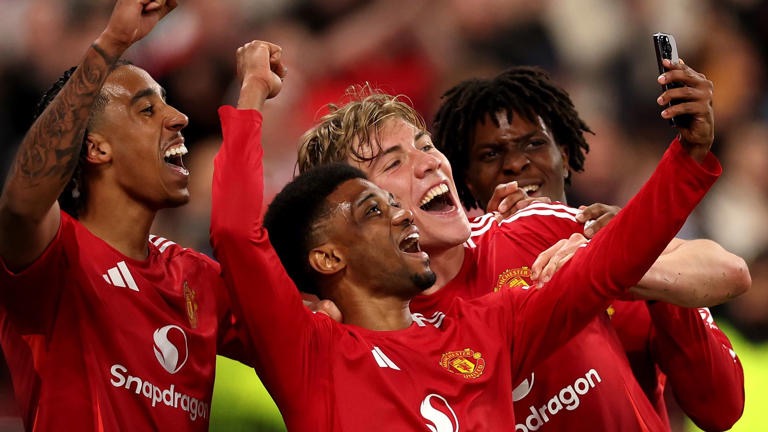
Tottenham’s path has been more turbulent, but no less commendable. After finishing fourth in the inaugural league phase, they edged past AZ Alkmaar and ground out a hard-fought win over Eintracht Frankfurt. Their semi-final against Bodo/Glimt showcased their best qualities—front-foot intensity, vertical attacking, and individual quality—most notably from Dominic Solanke, who has been a revelation up front in Europe.
Tottenham’s Blueprint
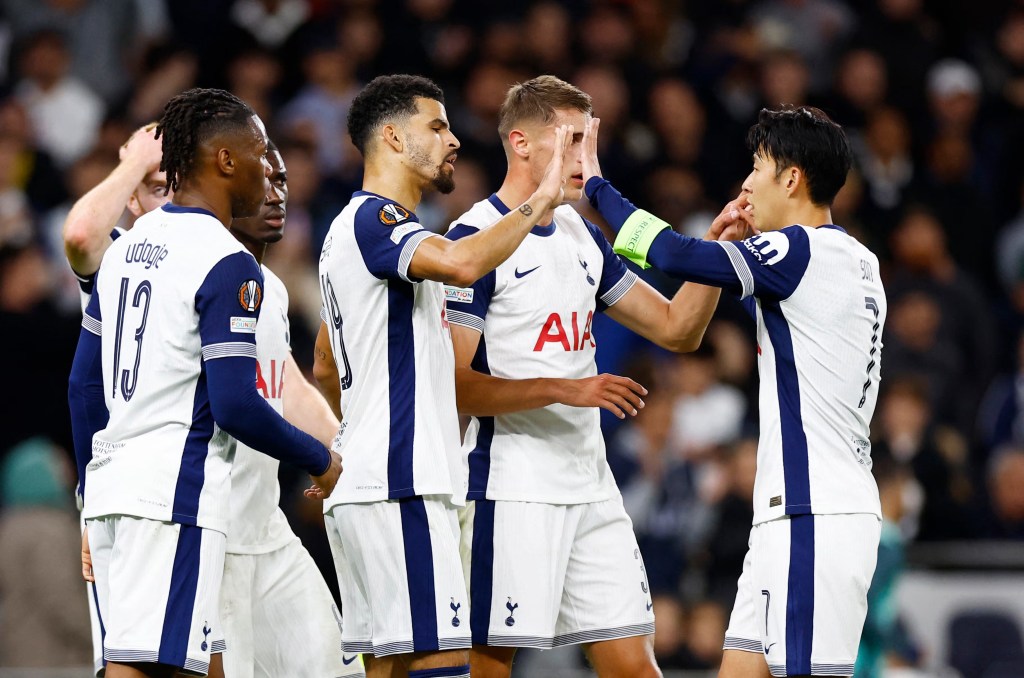
Ange Postecoglou’s Tottenham will approach this final true to type—on the front foot, playing expansive football, using the width provided by their full-backs to stretch the pitch and overwhelm opponents in wide channels.
Pedro Porro, who has clocked more Europa League minutes than any Spurs player this season, has been a constant outlet on the right flank. His attacking intelligence and delivery will be vital in pulling Manchester United’s back three out of shape. On the opposite flank, Destiny Udogie has quietly been one of Spurs’ most consistent European performers, adding physicality and forward thrust in the final third. Both will be encouraged to push high and create overloads, especially against a United setup vulnerable to diagonal switches and back-post deliveries—an area Brennan Johnson, with his late runs and poacher’s instinct, will look to exploit.
In midfield, Yves Bissouma and Pape Matar Sarr provide dynamism and pressing energy. Neither are traditional playmakers, but their capacity to win second balls and engage United’s double pivot of Casemiro and Ugarte will be key. Rodrigo Bentancur, the most refined of the three, will likely take on the responsibility of recycling possession and linking midfield to attack, particularly in transition moments when Tottenham look to move vertically.
With Dejan Kulusevski, James Maddison, and Lucas Bergvall all unavailable, the creative burden shifts decisively to the front line. Captain Heung-min Son has recovered from injury and is expected to start on the left, drifting inside onto his stronger foot to either shoot or combine. His intelligent movement and big-match experience will be crucial. Leading the line is the revitalised Dominic Solanke. His ability to pin centre-backs, link play, and exploit high lines makes him the single most dangerous threat to Amorim’s defensive unit. Solanke has often thrived against United’s slower central defenders, and with space to run into, he could tilt the final.
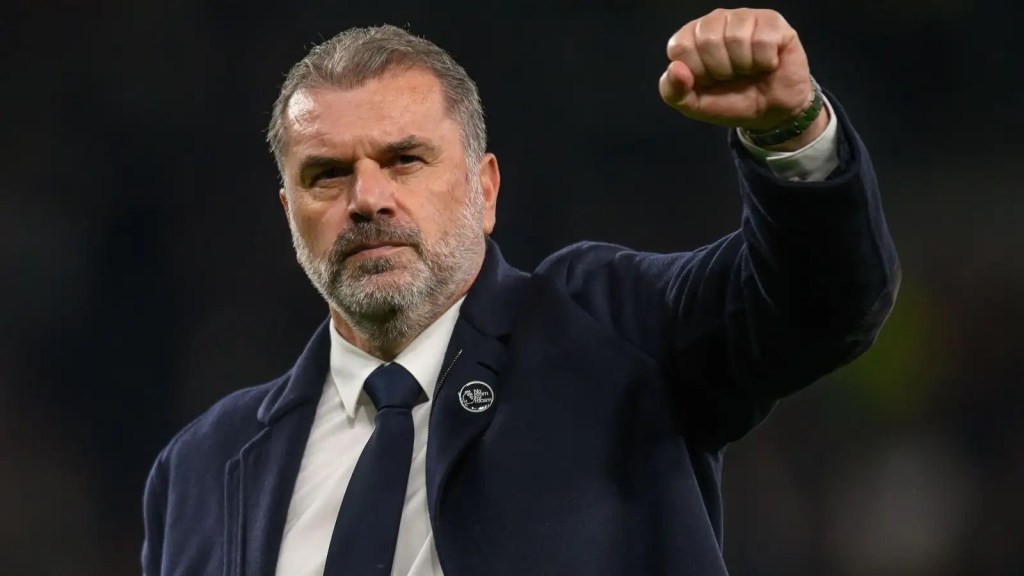
How Amorim’s United Could Unlock Spurs in Transition
For United, Ruben Amorim’s 3-4-2-1 shape is designed for control in midfield and vertical threat in transition. The plan hinges on keeping Spurs at bay in wide areas, compressing central zones, and releasing their own attacking midfielders in behind Tottenham’s adventurous full-backs.
André Onana will start in goal, behind a likely back three of Victor Lindelöf, Harry Maguire, and Leny Yoro—though Luke Shaw could return if fit. Lindelöf and Maguire bring Premier League experience, but lack pace, making them susceptible to Solanke and Son in transition. This is where midfield protection becomes critical.
Casemiro and Manuel Ugarte will anchor United’s double pivot. Both players excel at breaking up play, and their chemistry in the Europa League has formed a rare bright spot in a dismal season. Ugarte in particular has been aggressive in duels and proactive in screening passing lanes. If they can dictate the tempo and nullify Bentancur’s influence, United will gain a foothold.
Out wide, Patrick Dorgu is expected to continue at left wing-back, with Noussair Mazraoui—a revelation in recent weeks—starting on the right. The Moroccan offers both defensive assurance and tactical intelligence when drifting inside to form overloads in midfield, which will help contain Spurs’ high full-backs. Mazraoui’s role is doubly important: if Amorim wants more attacking flair, he may shift Amad Diallo back into the wing-back role, though starting Diallo higher up appears more likely.
Diallo’s inclusion, alongside Bruno Fernandes in the two attacking midfield slots behind Rasmus Højlund, offers United unpredictability and pace. The Ivorian has looked sharp since returning from injury—pressing with intelligence, attacking space decisively, and linking with Fernandes in the half-spaces. Fernandes, joint-top scorer in this year’s Europa League (7 goals, 4 assists), remains the heartbeat of United’s attack. His ability to receive between the lines and thread balls behind Tottenham’s back four could be decisive, especially if Højlund makes penetrative runs to stretch Romero and Van de Ven.
Speaking of Højlund, his form in the Premier League has been patchy, but he’s shown growth in the Europa League. If he can stay composed in front of goal, his physical profile may cause problems for a Spurs defence that can be drawn out of shape. United’s bench will also be a factor. Alejandro Garnacho and Mason Mount are expected to be used as impact substitutes—Garnacho’s pace in behind could be a potent weapon if United are leading and looking to counter, while Mount offers drive and ball progression if chasing a goal. Joshua Zirkzee may also be available, adding another dimension late on.
Press vs Build-Up
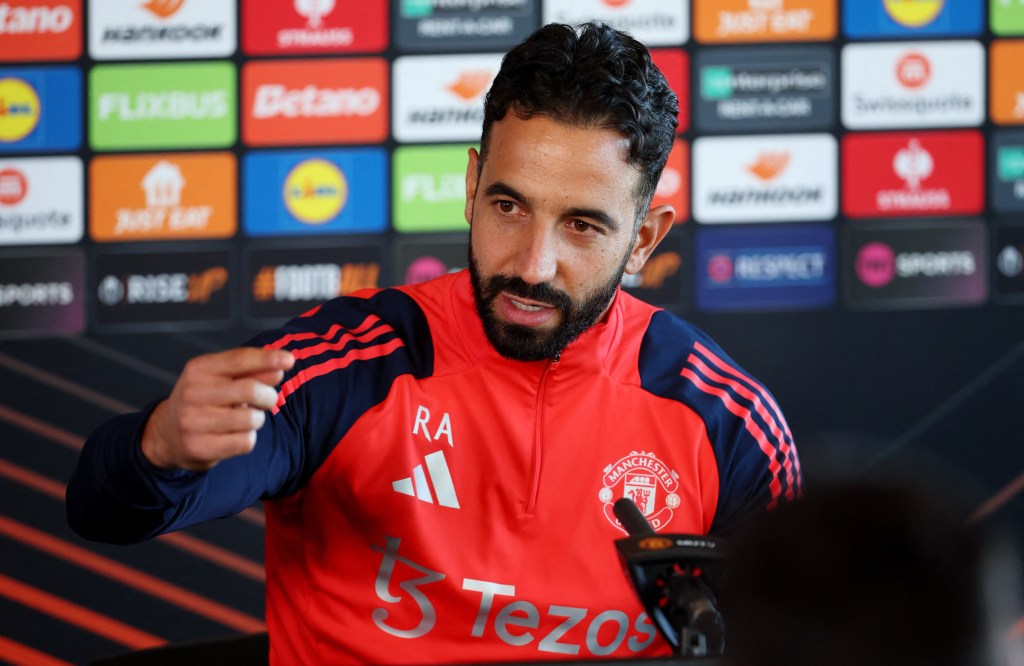
Tottenham under Ange Postecoglou are wedded to the principle of building from the back, even under intense pressure. It’s a defining trait of his footballing ideology: short passes through the thirds, positional rotation, and faith in technical security. Against a less aggressive press, this can be Spurs at their most fluid. Against Manchester United’s high press, however, it becomes a dangerous gamble.
Ruben Amorim will instruct his front three to press in coordinated waves. Rasmus Højlund will likely spearhead the press, curving his runs to shut off passing lanes and force the ball wide to the full-backs. Behind him, Amad Diallo and Bruno Fernandes will be tasked with collapsing quickly on Tottenham’s double pivot—most notably Rodrigo Bentancur and Yves Bissouma—when they drop to receive in central spaces. If Spurs lose composure or delay their progression, United will look to jump on these moments and trigger quick transitions through Fernandes and Diallo.
Spurs’ ability to resist this pressure will depend on the calmness of Bentancur and the availability of passing options through Udogie and Porro. Should they succeed in breaking the first line, Tottenham will suddenly have numbers to exploit United’s midfield, especially if Casemiro is drawn too high or Ugarte is overloaded. But if they hesitate or misplace a pass, United could be through on goal in seconds.
Wing-Back Battle
This final could be won or lost in the wide channels.
For Spurs, Pedro Porro and Destiny Udogie are vital to their entire attacking architecture. Both are encouraged to push high and wide, pinning back the opposition wing-backs and creating space inside for inverted wingers or advancing midfielders. Porro, in particular, has been one of Tottenham’s most progressive players in Europe this season—his interplay with Brennan Johnson and overlapping runs create natural triangles on the right flank. Udogie, meanwhile, offers directness and carries into the final third, often arriving late into space vacated by Son cutting inside.
Manchester United will attempt to neutralise this with Noussair Mazraoui and Patrick Dorgu operating as wing-backs in Amorim’s 3-4-2-1. Mazraoui has shown increasing comfort in an inverted role, tucking into midfield to provide numerical superiority and help bypass Tottenham’s first press. Dorgu, more orthodox in his positioning, will need to strike a delicate balance—pushing forward when the opportunity arises, but quickly retreating to cover the wide zones against Johnson’s and Porro’s overlapping runs.
If Spurs win the flanks, they can overload United’s back three and create crossing angles into Solanke, who thrives off service. If United’s wing-backs hold their zones and force Spurs centrally, Casemiro and Ugarte—two destroyers by trade—will be in their element, winning duels and launching counters.
Final Third Efficiency
Cup finals are rarely about possession or territory alone—they’re about what you do in moments of pressure. Both Tottenham and Manchester United have forwards capable of individual brilliance, but neither side has consistently dominated games from start to finish this season. That makes capitalising during their respective periods of momentum absolutely essential.
United’s front three—Fernandes, Diallo, and Højlund—offer different qualities. Fernandes is the conductor, capable of playing incisive passes under pressure and arriving late in the box. Diallo, recently back from injury, brings unpredictability and direct dribbling, often drifting wide to drag defenders out of position. Højlund, despite his inconsistency, is physically imposing and can stretch defences with clever diagonal runs.
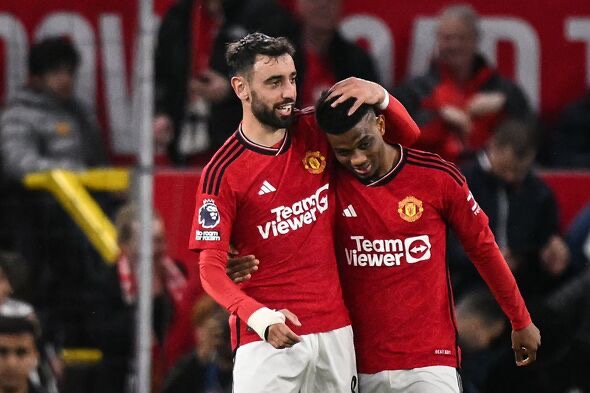
On the other hand, Tottenham’s front line of Son, Solanke, and Johnson is far more direct and goal-focused. The final may come down to clinical finishing. Spurs have converted a higher percentage of their Europa League chances than United, but United have created more. In a final where both teams will likely have 10–15 minute spells of dominance, taking that one clear-cut chance may be the difference between despair and glory.
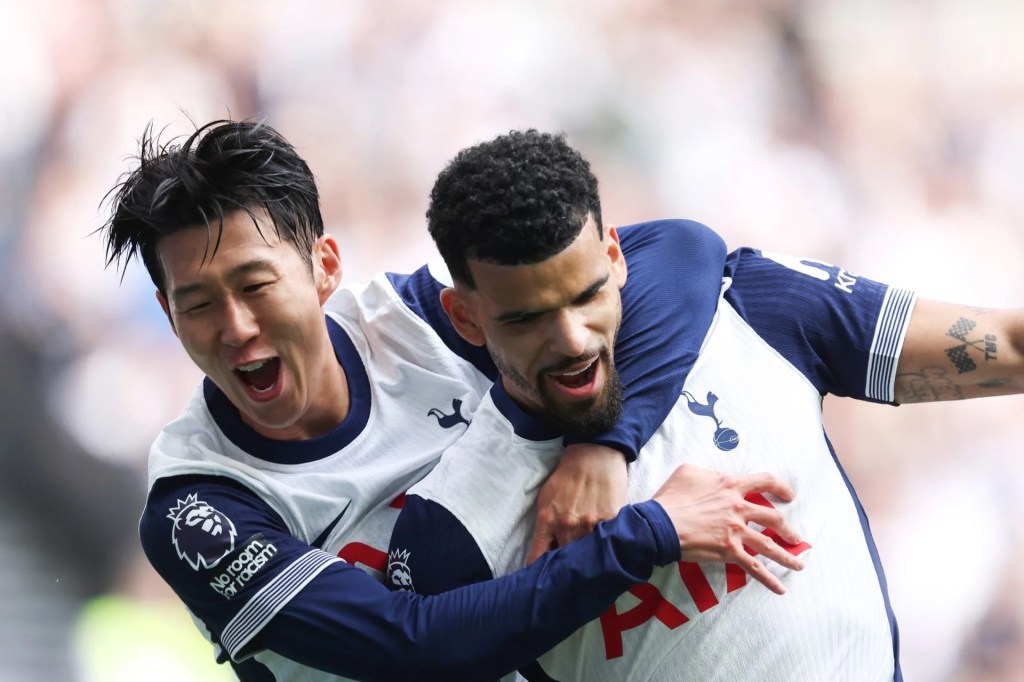
As the curtain falls on a chaotic season for both clubs, Wednesday’s Europa League final in Bilbao offers something far greater than just a trophy. For Manchester United, it’s a chance to reclaim pride and a place among Europe’s elite. For Tottenham, it’s an opportunity to finally banish the ghosts of failure and rewrite the club’s narrative under Ange Postecoglou. It won’t be a final defined by form, but by nerve, execution, and who can seize their moment when everything is on the line. For one side, salvation awaits. For the other, another chapter of regret.




 Mission Podcast
Leave a comment